What matters when buying Core Drills
Types of Core Drills
Core drills can be categorised based on their power source and application. Electric core drills are popular for general use and can be divided into wet and dry models. Wet core drills utilise water to cool the bit and reduce dust, making them ideal for materials like concrete and masonry. Dry core drills are suited for softer materials and are often used in easier-to-drill surfaces such as brick or drywall. Additionally, handheld core drills offer portability, while rig-mounted options provide more stability for larger projects.
Core Drill Sizes and Accessories
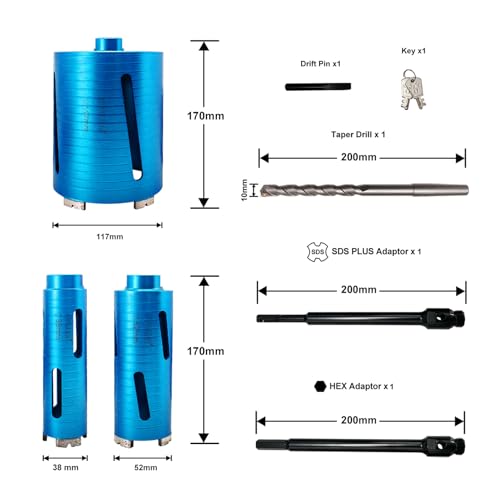
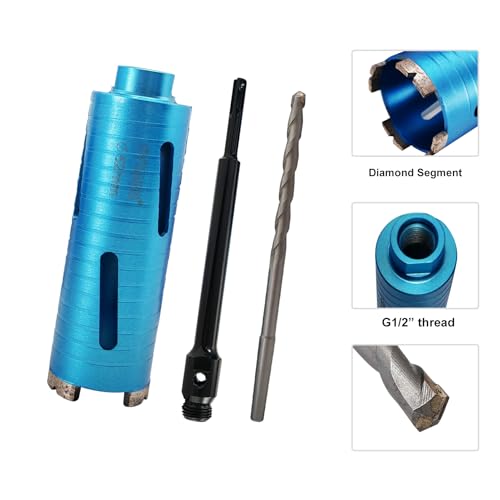
The size of the core drill bit is crucial, as it determines the diameter of the hole being drilled. Common sizes range from small (around 38 mm) to larger options (up to 152 mm or more) depending on the intended application. Many drill sets include multiple bits to accommodate different hole sizes. Accessories such as adaptors and centre pilot bits enhance the versatility of core drills, allowing compatibility with various power tools and improving drilling accuracy.
Material and Construction Quality
The material and construction quality of the core drill bits are significant factors influencing performance and durability. Diamond-tipped bits are commonly used for their ability to cut through tough materials like concrete, granite, and stone. The welding technique used to attach diamond segments to the core bits also affects longevity; laser welding is often preferred for its strength and resistance to wear. A well-constructed core drill will provide cleaner cuts and a longer lifespan, reducing the need for frequent replacements.
Power and Speed Considerations
The power and speed of the core drill are essential for efficient operation. Power ratings, typically expressed in watts or volts, indicate the drilling capability, especially with tougher materials. The speed at which the drill operates can also affect performance; variable speed settings allow for better control tailored to the specific material and application. Higher RPMs are generally beneficial for softer materials, while lower speeds are more effective for harder substances. Considering the balance of power and speed can lead to better outcomes in drilling tasks.
Footnotes
* Terms such as "best" and similar expressions reflect our personal assessment.
** Prices and availability may have changed since they were last retrieved. The price shown by the seller at the time of purchase applies.
Further important information
We may receive a commission if you make a purchase via the links on our site. This has no impact on the placement of the products on our site. Our website is part of amazon associates program - Amazon, Amazon Prime, the Amazon Logo and Amazon Prime Logo are registered trademarks of Amazon, Inc. or its affiliates. Disclaimer: